
Chicken Road Slot Distinctive Markers Explained 20 septiembre, 2026 – Posted in: Categorias
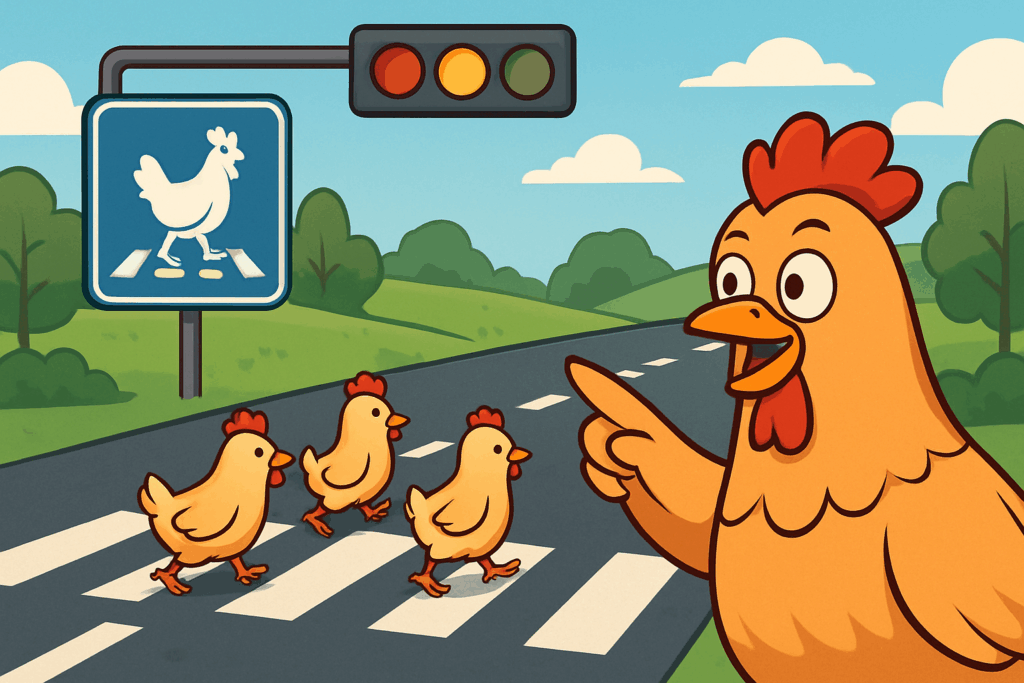
We would like to clear up one key point ahead of detailing the symbols: Chicken Road is a dedicated casino game, rather than a casino website, and in its usual form it is a crash-style game instead of a reel-based slot. That distinction counts because the icons you see on screen are not paytable symbols waiting to land on a payline. They are gameplay markers, control cues and risk indicators. Once we understand what each element does, the game becomes much easier to read, and we can determine when to cash out as opposed to speculating at scatter or wild behaviour.
The way Chicken Road Functions and The Reason Its Symbols Matter
Chicken Road usually is found in casino lobbies alongside slots, and some players call it as a slot because it uses a colorful, simple, arcade-like presentation. In the standard version, however, there are no spinning reels, no rows of symbols and no paylines. The chicken advances across a road while a multiplier rises, and cars present the risk of ending the round. We consider it as a crash game with a set betting cycle: set a stake, start the round, watch the multiplier, and cash out before the collision.
The Crash Game Shown Beside Slots
That difference alters how we read the screen. A traditional slot requires us to match symbols, count paylines and look for wilds or scatters. Chicken Road asks us to monitor one number and one moving character. The “special symbols” are therefore functional: the chicken displays our progress, the cars indicate danger, and the multiplier indicates the current cash-out value. If we look for free spins or expanding wilds, we will misread the game. If we understand the interface, we can concentrate on timing and stake control.
Core Gameplay: Navigating Traffic for Multipliers
A round starts when we place a stake and begin the chicken. The multiplier climbs as the chicken moves forward, and traffic flows across the road. At any point before a car strikes the chicken, we can collect and take the stake multiplied by the current number. If we wait too long and the chicken is hit, the round ends and the stake is forfeited. The core dilemma is not which symbol to match but when to quit. That is the whole risk-and-reward loop, and it is why the game feels closer to a live cash-out challenge than to a spinning slot.
We can view the multiplier as a live rate for our standing. Early in a round, the multiplier is small and the cash-out value is small, but the likelihood of reaching that point is substantial. Later, the multiplier is more appealing, yet the remaining risk is greater. There is no payline pattern to examine; the only “way to win” is to cash out before the collision. That makes Chicken Road a game of timing, restraint and pre-set rules rather than symbol matching.
- Select a stake that suits a session budget we have already established.
- Start the round and follow the chicken move across the road.
- Track the multiplier rather than chasing payline patterns.
- Collect at a level we decided before the round began.
- Finish the session if we reach a loss threshold or feel hurried.
RTP Risk level and Expected returns
Theoretical payout is the calculated percentage to player over a very large number of rounds, and it is no guarantee for a individual session. Chicken Road editions can differ, so we consult the in-game rules or information panel as opposed to guessing a figure from some other site. Crash-style games typically display returns in the moderate-to-high 90s, but the exact number is tied to the version before us. If the rules panel is absent or unclear, we regard that as a cause to hold off before wagering real money.
Variance is significant in practical terms. Many rounds conclude early, and a small number run long enough to yield large multipliers. That pattern can appeal to players who favor set losses per round, but it can also produce long losing streaks. We determine a session budget, maintain stakes modest relative to that budget, and steer clear of chasing a big multiplier after a loss. The game’s return is established over thousands of rounds, not over the next spin or crossing. We also remember that a high multiplier is not “due” simply because previous rounds ended early.
Stake Range, Withdrawal Controls and Top Win Potential
Wager ranges differ by platform and by the version of Chicken Road on offer. We check the minimum and maximum stake in the game panel before we play, and we check whether the display currency is AUD or another currency. A sensible approach is to set a stake that keeps a losing round small relative to our session budget. Because each round can end quickly, repeated stakes can add up faster than they do in a slower slot. We never rely on a remembered limit from another site.
Payout controls are the most important part of stake management. Manual cash-out gives us full control but requires attention; auto cash-out lets us set a target multiplier and walk away from the screen. We can use auto cash-out to enforce discipline, but we should test it in demo mode first so we understand the timing. Max win potential depends on the multiplier cap and the table limit, not on a fixed jackpot. We check the rules for any cap and remember that a high maximum is not a likely outcome.
FAQ
Is Chicken Road automat nebo crash hru?
Ve své standardní podobě Chicken Road is hru typu crash spíše než a reel-based slot. We set a stake, the chicken advances, a multiplikátor stoupá až do výběru nebo https://bleacherreport.com/articles/10129716-olympic-opening-ceremonies-2024-social-media-reacts-to-celebration-in-paris auto ukončí kolo. Žádné válce neexistují, řádky ani výplatní linie. Some lobbies may group it with slots, but we check the game screen and rules before assuming slot mechanics.
What do the special symbols in Chicken Road mean?
Slepice značí náš pokrok, vozy signalizují nebezpečí srážky, a displej násobiče ukazuje aktuální hodnotu výběru. Tlačítko pro výběr, stake control and auto cash-out option jsou prvky uživatelského rozhraní namísto symbolů z výplatní tabulky. None of these icons act as wilds or scatters. We read them as gameplay cues, not as symbols that need to land in a pattern.
Obsahuje Chicken Road volné točení, wildy nebo scatters?
The standard version does not use free spins, wildy, scatters ani samostatné bonusové kolo. The multiplier is the central reward mechanic, a rozhodnutí o výběru je hlavní funkcí. Pokud lobby používá terminologii slotů, prověřujeme reálnou obrazovku hry. Varianta s válci by představovala odlišný produkt se svou vlastní výplatní tabulkou a pravidly.
What are the RTP and volatility of Chicken Road?
Return percentage is the calculated return over a huge number of rounds, not a session guarantee. Specific Chicken Road figures can vary by version, so we consult the in-game rules panel. In practical terms the game is high volatility: many rounds conclude early, while a limited number run to higher multipliers. We set a budget and reasonable stakes to manage that variance.
What are the available bet limits in Chicken Road?
Bet limits depend on the platform and the version of the game. We check the minimum and maximum stake in the game panel before playing, and we confirm the display currency. A reasonable stake keeps a single loss small relative to our session budget. We do not assume limits from another site or from a screenshot.
Can I play Chicken Road for free?
Many versions provide a demo mode, but availability depends on the platform and region. We use demo mode to understand the controls, try auto cash-out and understand the pace before staking real money. Demo credits hold no cash value. If no demo is available, we review the rules carefully and commence with a small real-money stake.
What is the maximum win in Chicken Road?
Chicken Road does not use a fixed or progressive jackpot in its standard form. The maximum payout is based on the multiplier cap, the stake limit and the rules of the version you play. A high maximum multiplier is not a common outcome. We check the rules panel for any cap and consider the maximum as an rare tail result, not a target.
Key Symbols and Interface Icons Explained
The symbols in Chicken Road are best understood as a pictorial language for the round. They tell us where the chicken is, what the live cash-out value is, and which controls are available. They do not create combinations, and they do not payout in groups. We interpret them in real time, because the value of a cash-out can vary within seconds. That is quite different from a slot where a symbol combination is assessed after the reels stop.
Gameplay Symbols
The chicken is the central gameplay symbol. It marks our position in the round and moves ahead as the multiplier increases. It is not a wild that substitutes for other symbols, and it does not trigger a bonus. The cars are the risk symbols: when one arrives at the chicken, the round ends. The multiplier display is the worth symbol, indicating what we would receive if we cash out at that moment. We view these three elements together rather than as separate paytable entries. They are the essential visual language of the game.
Interface and Information Symbols
Control symbols sit around the play area and show what actions are possible. The cash-out button locks in the current multiplier, the stake control adjusts the bet, and the auto cash-out option lets us choose a target before the round commences. History strips or previous-result displays display recent multipliers, but they do not forecast the next result. Sound and settings icons are tool items, not bonus triggers. We ought to know where each control is located before we begin, because a delayed click can affect the outcome.
- Chicken icon: indicates our progress and current position in the round.
- Car icons: represent collision risk and stop the round on contact.
- Multiplier display: displays the live cash-out value.
- Cash-out button: secures the current payout.
- Auto cash-out: sets a target multiplier in advance.
- History strip: shows past results for information only.
Frequent Myths and What to Look For Before Playing
A frequent misunderstanding is that Chicken Road is a slot with undisclosed paylines. In the basic version there are no reels, rows, paylines or ways-to-win combinations. The only means to collect is to cash out before the chicken is hit. A further misunderstanding is that a previous low multiplier makes a high one more likely. Each round is independent, and history strips are informational, not predictive. We should not read patterns into past results or assume a “due” win. That mistake can lead to bigger stakes and unfavorable timing.
Before playing for real money, we check the game rules, RTP disclosure, stake limits, currency and any multiplier cap. We confirm whether a demo mode is available and whether the version matches the one described on the page. We also check that we are of permitted age and that online gambling is permitted in our Australian state or territory. If any detail is unclear, we ask support or choose not to play. Verification takes a minute and stops avoidable mistakes. We never rely on screenshots or third-party claims alone.
- Review the rules panel for RTP and any multiplier cap.
- Confirm the minimum and maximum stake in AUD or the displayed currency.
- Use the controls in demo mode if it is accessible.
- Establish a loss limit and a time limit before the first round.
- Verify legal age and local gambling rules for your state or territory.
Special Features, Multiplier Effects and Risk Management
Chicken Road preserves its feature set lean. The multiplier is the primary reward mechanic, and the cash-out decision is the primary player action. That minimalism is the point: we are not overseeing a screen full of bonus meters or waiting for a scatter trigger. We are controlling risk in real time. The game can still be engaging, but the excitement comes from the increasing multiplier and the decision of when to stop rather than from a dedicated bonus round.
What Is Available
The main multiplier is the core feature, not a secondary bonus. As the chicken moves, the multiplier rises, and the cash-out value grows with it. Auto cash-out is a useful feature that lets us set a target in advance. Some versions also show round history, sound controls and a demo mode. These features assist the core loop rather than changing it. We treat them as tools for control and information, not as extra chances to win. The multiplier remains the only substantial reward mechanic.
What Is Absent
In the standard game we should not expect free spins, wilds, scatters, expanding symbols or a separate bonus round. Those are slot mechanics, and Chicken Road does not use reels or paylines. If a casino lobby categorizes the game with slot terminology, we examine the actual game screen before presuming it has those features. A alternate version with reels would be a distinct product with its own paytable and rules. We do not apply slot expectations to a crash game. That maintains our decisions grounded.
How to Begin Chicken Road Stage by Stage
Beginning Chicken Road is easy, but a consistent routine helps us prevent hasty moves. We commence in demo mode if it is available, establish the stake and currency, and choose whether we use manual or auto cash-out. Then we set a target ahead of the round. The aim is not to predict the exact moment of a crash; it is to choose a cash-out point that matches our budget and adhere to it. We keep the session short and examine our results later. That routine is more useful than a hot streak.
- Launch the game and read the rules panel, including RTP and stake limits.
- Define a session budget and pick a stake that makes each loss small.
- Decide on a cash-out target ahead of starting the round.
- Initiate the round and watch the multiplier climb as the chicken progresses.
- Withdraw manually or let auto cash-out engage at the chosen target.
- Stop after a set number of rounds, a loss limit or a win limit.
After the round, we log whether we adhered to our plan instead of whether we won https://chickennroad.org/. A win that resulted from ignoring a sensible cash-out target is still a risk signal. A loss that remained within the plan is easier to accept. We also refrain from boosting stakes to recover a loss, since the next round is independent. If we sense rushed or frustrated, we stop. Chicken Road is a fast game, and speed is precisely why a written plan is important. We view breaks as a component of the session, instead of an interruption.